


AI & the news
As more people get their news through AI platforms, the choices AI companies make, their relationship with publishers, and the limits of their technology decide which reporting gets seen and credited. I design experiments and write about how AI is reshaping journalism. Most of this work is done in collaboration with Klaudia Jaźwińska.
More AI & news work
-
Your Chatbot’s Memory of You Can Shape the Information You See
AI companies promise that remembering users makes chatbots more helpful, but how do those memories shape the information people receive? I reported on research into how memory and personalization can reinforce users’ beliefs, shape answers, and leave people with less control over stored information than companies suggest.
-
AI Chatbots Can Search the Web—So Why Don’t They?
AI chatbots can search for current information, but they don’t always choose to. We explain why these tools sometimes skip web search, how that can lead to confidently wrong answers about the news, and why those failures demand accountability from platforms.
-

How AI Browsers Sneak Past Blockers and Paywalls
We tested how AI browsers access news articles that publishers try to restrict. Our reporting explains how agents can appear as ordinary browser sessions and read text hidden by some paywalls, complicating publishers’ efforts to control how their work is used.
Other projects
July 2026
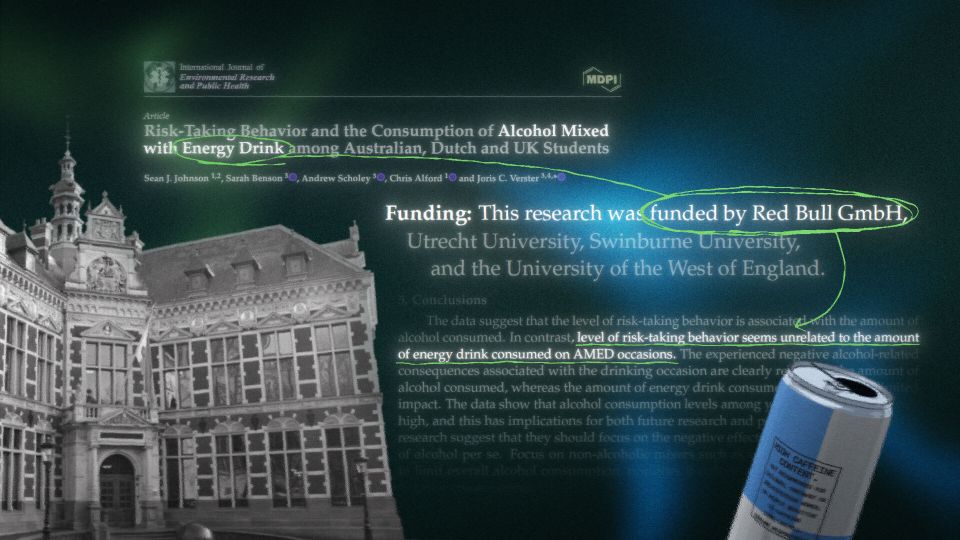
How AI helped us uncover Red Bull’s influence on energy drink research
We used an LLM to map financial ties between energy drink companies and researchers for The Examination. We verified the extracted disclosures and built a network graph to help reporters find leads.

July 2023
Balancing the Books
Ohio’s library funding system was designed to distribute resources more equitably across counties. I examined how that model changed as libraries increasingly turned to local levies, and what the shift meant for communities with different property-tax bases.

July 2022
From PHAT to DEADASS
Does the New York Times crossword’s idea of modern language actually keep up with the way people speak? I collected crossword clues from XWordInfo to find out.
August 2022
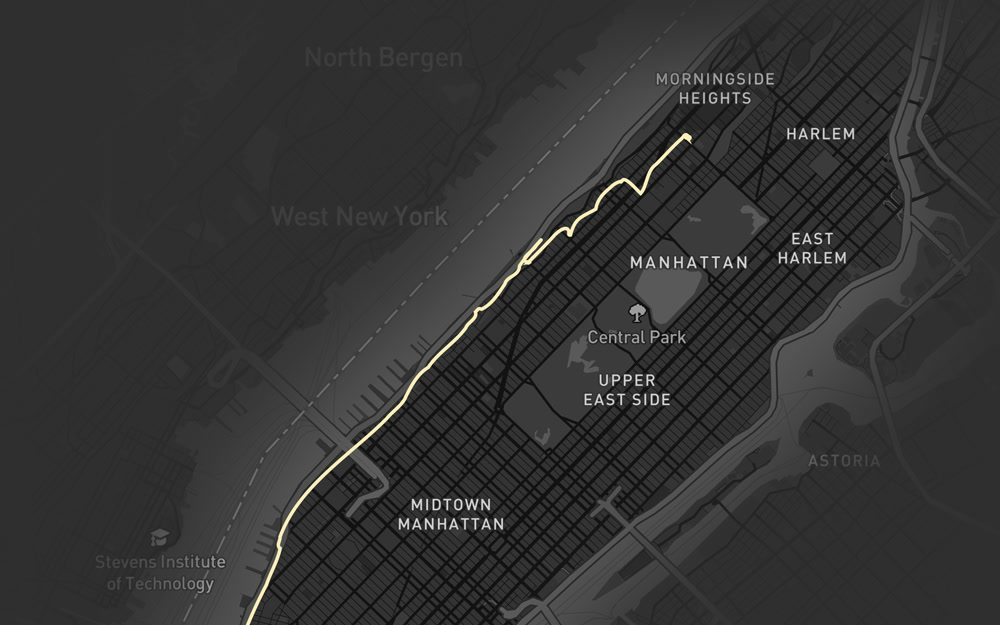
Fear and Luminescence on a New York Bike Trail
My morning bike ride along the Hudson Waterfront Greenway felt very different after dark. I documented one night-time commute to explore how lighting changed my experience of the route.